12 months ago Syntax Podcast
Is Responsible AI Possible? with Dr. Sarah Bird of Microsoft


Transcript
Wes Bos
security,
Guest 1
And so, yeah, there's a lot that the developer needs to do. And and the organization, always did the same thing. And so my thesis was you know, a sort of consumer entertainment information. And so you have to think about kind of all of those dimensions. Yeah. Do you see the usage of local tools and local models, local services becoming
Wes Bos
a Scott of developers are gonna get a lot of out of this. So thank you so much for joining me, and, just truly a great, chance to talk to you here. Yeah. Thank you so much for having me. It's such an important topic and near and dear to my heart, so I appreciate everyone taking the time to learn more. Well, thank you.
Wes Bos
Hey. What's up? This is Scott with Syntax, and just a quick message before this episode gets started.
Wes Bos
human in the loop and in general, like,
Guest 1
And we were calling it a
Wes Bos
of us,
Guest 1
Lot of responsible AI is making sure that
Wes Bos
how SEER found the cause of this error. But sure enough, I went to Cloudflare's dashboard,
Guest 1
are designed to show the imperfection, but that's part of, in essence, what makes it perfect. And so, One is malfunctions. And so saying that, look, it's not good enough. It, you know, produces insecure code or it it hallucinates.
Guest 1
there's also cases where it's a really big Node, and you want the maximum power. And so running in the cloud is gonna make sense. So I think we'll just see a diversity of these different options growing. Yeah. Yeah. I guess running locally too. I I was on the plane here, And one thing that's really great actually about this generation of AI technology
Wes Bos
what is what does that role look like? And is there a future of
Guest 1
development of AI.
Wes Bos
Scott. Scary to their livelihood,
Guest 1
I was working on
Wes Bos
role of a software developer is inherently going to be a a firm eye on it. And
Guest 1
customers and developers and people who are skeptical where we then walk them through, these are the safeguards we've put in place, and this is the testing we have, and this is the, like, defense in-depth approach we use. And, like, oh, Privacy is, you know, something that's really
Wes Bos
Yes.
Wes Bos
scary to their code Bos, possibly.
Wes Bos
like, more responsible AI technologies and topics?
Guest 1
both like a fundamental human right and then, also, very important in practice for, you know, businesses with their, you know, confidential data, their confidential IP.
Guest 1
systems. So I actually
Wes Bos
it maybe doesn't. Yeah. Do you think it's inevitable that
Guest 1
an agent that, for example, is going to take very, you know, consequential actions,
Wes Bos
AI and responsible AI, man, Sentry is doing some great stuff where it's letting you know of potential issues in your application.
Guest 1
and code, then we should try to train the model to do less of that. Mhmm.
Guest 1
dynamic optimization techniques, convex optimization, which is, you know, a key thing in machine learning their responsibility and their role in it. We do a lot today to
Wes Bos
of our audience, which is primarily Yeah. I it it there is a sense that, like,
Guest 1
kind of the foundation models themselves are trained usually in a big pretraining run, and then they're they're set, and you can use them. And what they're really great at is actually reasoning over data that you are giving to it. So it doesn't need to be trained on the data to use the data effectively. And so we have a really nice potential privacy story there where you can send your data to the model. It's not learning from it at all, but you're getting very personalized I definitely see us going in that direction. So we released, for example, what I like to do as much as possible and where I see my role is to figure out, like, what are the new risks we see emerging with AI? How How do we actually address those risks? And then how do we make it easy for everyone to do that? And so, of course, as much as possible,
Wes Bos
and the there was no Wi Fi in the plane and the all of the the AI tools. I'm like, oh, I should have I should have set something up locally before I left here to at least have something. Yeah. Exactly. Airplane travel for all of us that travel a lot JS, like, the number one use case. We're like, I know why we still need disconnected even though, you know, plane Wi Fi is getting better, but, you know, maybe not good enough yet. Yeah. Totally. I we get a lot of comments on on our channel specifically from, like, AI skeptics who
Guest 1
to take advantage of that.
Guest 1
it's about in college worked in chip design at IBM, and I worked on the design of the original Xbox three sixty processor. Yeah. And,
Wes Bos
private, I guess? Yeah.
Wes Bos
They've been, you know, given to me by my company or we're subscribing to them, whatever.
Wes Bos
campus. I was invited to do a Versus Code Insiders of responsible AI? Because it seems like, I mean, the machine learning space has evolved considerably in the past.
Wes Bos
hey. I think you might wanna check this e n v variable. And that e n v variable, I could not find in the error. I have no idea
Guest 1
educate developers on what they need to do to build production code and what the bar is to, you know, check something in. And we have, you know, checks and balances on that. Right? Many people work in an organization where you have to have someone else review your PR before it's allowed to be approved. And so we're still gonna use all those same same safeguards. There's not just, oh, okay. We'll go solve the problem for you.
Guest 1
important, Yeah. I I love this question because, anything that they do is is part of the story too, but it's gonna be a one size fits all. It's not gonna be necessarily
Wes Bos
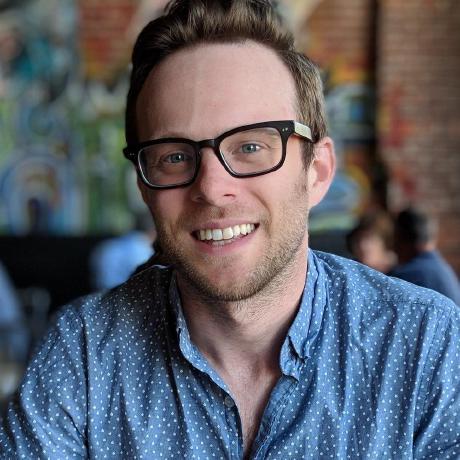
the chief product officer of Responsible AI at Microsoft. Her credentials really speak for themselves.
Wes Bos
quite a while.
Wes Bos
just consistently. Right? So how how do you get to responsible AI from there?
Guest 1
or that, you know, like, handles data appropriately and follows privacy policies. So in the same way, there's going to be things that you need to do in your specific use of AI
Wes Bos
usage of AI would would benefit them. Do is there, like, a,
Guest 1
humans being responsible with the technology and the way that we develop the Foundry local.
Guest 1
technology because the way that, reinforcement learning works is, you know, it tries different things.
Guest 1
started my career in as what the technology change does. You know? And so it's gonna be different over time. Yeah. It's it's definitely one of those things you can get lost in a, And it's so important that people like you are helping
Wes Bos
in the past, yeah, GitHub introduced things like,
Guest 1
in a short amount of time here? I think it's inevitable that the role of to automatically adapt resource allocation in the operating system. And so I was using kind of machine learning
Wes Bos
all kinds of stuff from, like, what is our role as individual developers with responsive AI to just her general thoughts, and we even get a sick pick out of her. So before we kick this interview off, just a quick message. This podcast is brought to you by Sentry. And in regards of Welcome to Syntax. Today, we have a really special interview. I'm joined by Sarah Bird. She's the chief product officer of responsible.ai
Guest 1
I absolutely
Wes Bos
the role GitHub could play. But
Guest 1
I completely understand, like, the feeling and the concern, but, absolutely,
Wes Bos
that important, but then you have
Guest 1
And at that time, I'm really liking the very visceral sort of
Wes Bos
I think people maybe get just get overwhelmed
Guest 1
response back, for example, a completion for your specific code.
Guest 1
Yeah. I think that, right when the deep learning kind of,
Wes Bos
bake security in to these processes and and safeguard ourselves from creating these things if the people who are,
Guest 1
I talk to, you know, many, that only you as the developer are going to understand. If you're designing
Wes Bos
being
Guest 1
I feel different about this technology now. That doesn't mean it's still it's suitable for every use case. Right? But understanding how we put these pieces together to address the risk and, you know, how we're gonna do that going forward is part of helping people understand
Wes Bos
frightened about utilizing this stuff in software? the like, has a part to play here? Yeah. So on this show, the last thing we do is ask for a sick pick, which is, like, anything in your life their code to a service somewhere. In that same regard,
Guest 1
And people sometimes, you know, get that confused. I have a lot of people ask me about how do we make AI ethical, and it's like, it's just another technology. We shouldn't be making it ethical. We should be developing it in a way that aligns with, you know, the principles we Yarn trying to achieve. Yeah. Yeah. That makes sense. I think a a lot of especially in in the web developer space, it feels like, okay. These are tools.
Guest 1
change
Wes Bos
to go in there and buy everything.
Guest 1
systems were just kind of dumb and
Wes Bos
this newfound superpower of just how many, like, personal software things you can create with low effort, and you get into it, and these are, like, low stakes. And once you get into higher stakes stuff, it definitely always feels a bit heavier.
Guest 1
to make systems smarter.
Wes Bos
Wes would also feel the same. Yeah. Well, thank you so much, Sarah. This has been incredible.
Guest 1
international safety report that I quite like to think about this. And it says there's kind of three categories of concern or risk with AI.
Guest 1
than, For example, showing you a sports article and then showing you a cooking article to see which one you care about more, and it it learns as it goes.
Guest 1
expose everyone to these concepts and, you know, what their responsibility are because awareness is definitely part of the story. Yeah. I never I never thought about that too much with in using
Wes Bos
about responsible AI, especially,
Guest 1
Japanese pottery right now. Cool. Yeah. Maybe maybe it's because AI, and we're talking all about machines. But, you know, it's these beautiful Or if you need to run,
Wes Bos
privacy impacts, all those things. We're seeing apps that are being vibe coded and pushed out now that have massive security holes Wes buckets are left open and and this or that happens? How do we, like, Do you have a sick pick or anything in your life that you're like, I love this right now?
Guest 1
understand those privacy implications, and determine whether or not that's appropriate for your application.
Wes Bos
I it that's a it's a scary thought that that that human in the loop might eventually
Guest 1
You know, before ten years ago, responsible AI wasn't wasn't a job. And now,
Wes Bos
AI?
Guest 1
So I came to Microsoft for my postdoc in Microsoft Research in New York Sanity, where I still am. And, and that was really how we got started in it. And, you know, I've stayed in it because I think it's one of the most challenging and interesting problems to make the technology work really well in practice in every single use case in a way that people can, you know, be confident in it and actually trust it. Yeah. I guess that leads me to my my next question, which is, like, is there such a thing as vulnerability came together and formed the first kind of responsible AI research group, which is called FATE at Microsoft at that time.
Guest 1
So if we go farther down kind of the the future that you were talking about Wes people aren't looking at code anymore, it might be that we really need humans to put the investment in designing the acceptance test and signing off on the acceptance test. And so if you're sure that about how you want the system to behave and you are sure that the test really get that component to behave the way it's supposed to, why do you need to inspect inside of it? And so,
Wes Bos
sending
Guest 1
And so education is part of that too. And, you know, that's part of why I'm here because, a taxonomy that came out in the, really works well in practice. And so developers today absolutely have a responsibility to make sure that they're making code that is secure, for example,
Wes Bos
completely different
Guest 1
what makes sense for your particular unique thing you're developing.
Guest 1
originally several kinda different types of concerns.
Guest 1
why the technology we hear actually And, It's about responsible
Wes Bos
How did how did that end up happening for you? Like, how did you go down that path into machine learning?
Guest 1
So I think that we will always have human accountability. Like, it's not gonna work if we don't, and so that
Wes Bos
And what role does that play? Because I think a lot of people do get a little weirded out with
Guest 1
and so I
Wes Bos
see this tech as being
Guest 1
what you're developing
Wes Bos
and achieve something that we just, you know, really couldn't do before. Yeah. So so how does that take you down to the path
Guest 1
decision can be worthy of trust in some use cases.
Wes Bos
at all? Right? The code exists, but we're not actually manipulating the code or having you know, warning you if you've committed,
Guest 1
amazing, boom started happening. And we were trying to figure out what were the most important problems we needed to solve to make this technology many, many jobs is gonna be completely different in a short time here. And that's probably one of the things that keeps me up most at night, and not because I don't think we're gonna get to a great place on the other side in terms of how much better jobs can be with tools like this, but the sort of upskilling and the redesigning of these jobs and doing kind of all of them at once, that's a significant challenge for us as a society and for each corporate leader. And and so we've got a lot of work to do with this, and, we need more people to contribute to that. Yeah. And then we were having a conversation Scott you and I. We were having a conversation amongst the group yesterday about
Wes Bos
Do you think that the individual, with you with your background, privacy, I guess?
Guest 1
And so we've designed a lot of the systems that we've been developing, Yeah. I actually so it still really puts the developer in charge to be thoughtful about when it makes sense for them and and when
Wes Bos
She's been doing an extreme amount of work in the open source community for a long time, and she is responsible for many projects which you may have heard of. In fact, I'm gonna list off some of them right here. She cofounded Onyx, I have no part in this equation.
Wes Bos
She's been epically involved in the machine learning and AI a career path for getting deeper into,
Guest 1
Yeah. So, first of all, I I love the statement here because that's, like, exactly right in terms of the whole whole point of responsible AI. We also, you know, call it trustworthy AI. It's about making the technology
Wes Bos
SmartNoise and was a leader in PyTorch one point o and InterpretML
Guest 1
Those are examples that we're trying to work on to address, like, the malfunction in the system. Then you hear people say, okay. You know, I'm concerned that people are gonna misuse it. They're gonna use it to, like, automate hacking and, you know, cause more risk. And those are, you know, issues we have to address as well. And then the last one, as you said, around people's livelihood JS systemic risk and concerns around what is the impact of this technology gonna be on kind of the broader system? Is it gonna change how we all have to work? And I think the answer is Wes. It is going to change. And, yes, we do need to be concerned about all of these types of risks. But part of the goal of responsibility is to break down each of these and figure out what are the right ways to make progress on them. And then at the end of the day, like, this is a tool,
Wes Bos
just a whole thinking about for a long time. Yeah. I I Deno, certainly, as somebody who likes to create things, there's,
Guest 1
they have a part to play.
Guest 1
that some people don't realize in terms of how it works is
Wes Bos
I mean,
Guest 1
necessitates some concept of human in the loop. But what we will see is the way we put the human in the loop is going to be different.
Guest 1
worthy of people's trust. And so, And part of what makes this actually work is people do need to understand love, And, you know, that was the moment where I'm like, well, maybe you could, but should you? Yeah. And I was lucky to be sitting with what are now, you know, leaders in the responsible AI space like Hannah Wallach and Kate Crawford. And we,
Wes Bos
Do you hear from a lot of people about This is going to be an interview that I did with doctor Sarah Bird on Microsoft's
Guest 1
But every kind of company and service is different, and so different ones have different privacy policies. And so it's important for your organization to actually look at the specific tools you're using, designing the right mechanisms for human oversight and human in the loop, but those will absolutely
Wes Bos
And using a new tool called SEER allows you to fix those right away. I had a situation, that is bringing you joy right Node. Like, anything that you're liking. We've done all kinds of things from podcasts
Guest 1
and you need to find the right ways to put it to use. And it's not, you know, useful in every setting. And, and And so you need to do that tailoring to your specific application.
Guest 1
It always kinda felt wrong to me that
Wes Bos
Fairlearn, and OpenDP's projects. She was an early member of the machine learning systems research community. She cofounded the MLsys Research Conference and the Learning Systems Workshop. She has a PhD from UC Berkeley.
Wes Bos
developer in the web space or otherwise, Yeah.
Wes Bos
stuff. So being able to sit down with doctor Byrd and pick her brain about
Guest 1
your different sort of security checks when you check-in a PR, the more that we can just integrate that directly into GitHub Bos it just runs, so you don't even have to think about it the better. And so as much as possible, we try to just bake it into the platform or system. But, you know, that doesn't work for everything.
Wes Bos
What about, like, more viable? responsible
Guest 1
on operating systems.
Guest 1
I talked to people actually even yesterday. They were saying, oh, I did my master's degree in responsible AI. And so it's gone from nothing to a thing where there are degree programs and where it is a job, and it's a very rapidly growing field, which has just been, like, a joy for me to see. Yeah. And I wonder if that's a a better career path than just sticking your head in the sand and pretending this will all go away at some point. You're right.
Guest 1
And, handmade pieces that
Wes Bos
Sanity and had the extreme pleasure of being able to sit down and chat with Sarah. Sarah is the chief product officer of Responsible AI at Microsoft, from the perspective be gone there. Is that something that you think needs to stay as a requirement?
Guest 1
Yeah. The term JS, we want to just bake it into the AI system. So if the AI model produces, customers said, oh, can we use it to automatically interview people? maybe a little bit problematic in that sense Wes what it's about is about
Wes Bos
For some people who are, like, kind of skeptics of AI, I I do wonder, like, if learning more about
Guest 1
I really just got started at the right time at the intersection of systems and machine learning. And, I think that it is so amazing to put these different type of technologies together,
Wes Bos
world for a long, long time, longer than most of you have even heard about this
Guest 1
Sarah, welcome to Syntax. Yeah. Thank you for having me. I'm so excited to be here. Yeah. So, usable by more people. And so I was talking to Right? We see that, you know, health care data is gonna have potentially a different standard
Wes Bos
It's a tremendous pleasure to be able to sit down and chat and really pick your brain about some of the things web developers. Right? So,
Guest 1
there's a,
Wes Bos
to socks to anything.
Guest 1
it turned out to be the same time that we started to see systems JS really important for machine learning. We wouldn't have had all of the breakthroughs that we've had in AI today if we hadn't been able to scale up the the training algorithms, if we hadn't been able to scale up the data delivery and everything. And so,
Wes Bos
with with this this technology and now these newfound powers, and it's like, okay. I I I guess maybe how I'm using these things isn't necessarily
Guest 1
started working in my PhD at Microsoft and in GitHub
Wes Bos
responsible secrets or something like that. Like, to me, I guess, this falls right in line. Right? Because at the end of the day, the end result's going at GitHub. It can use these systems to analyze your code.
Guest 1
various, you know, customers, potential early adopters, saying, what do you wanna do with the technology? reinforcement learning, which is a really exciting new technology then you might need to design into your system having it go back and get human approval if there's a risk that it might be wrong.
Wes Bos
pushing the software out don't know any better? is down the street from me. And every time I walk by, I'm just like, I would love
Guest 1
Foundry is our AI platform, and that enables you to take a lot of the models and run them locally. And there's just increasing demand for that because it's also good from, like, a latency point of view. It's good from a connectivity point of view. You can run offline. And so we wanna enable AI to work as in many places as possible. But people use the technology. And so it's really not about the AI being responsible.
Wes Bos
at Microsoft.
Wes Bos
not looking at the code as an interface physical element of that and the beauty that comes from that. Man, I love that. There's a a really nice, Japanese pottery pop up that, we have local models, things running locally. Like, what is the the responsible choice there with your code as a developer in in keeping things, and my e n v variable that I was so confident was there had a very slight typo in it. And I I changed that, fixed it, was able to mark that as complete. It closed the GitHub issue. It fixed my problem, and I was on my way. Shout out to Sier from Sentry. It's an awesome tool. Alright. Without further ado, here is the interview with doctor Sarah Burt.
Guest 1
And is it a career path? Absolutely.
Wes Bos
but she's not just just the other day where I had this really mysterious bug. You know, the CloudFlare worker was giving me some obtuse error, and then this was not servicing correctly. I clicked the SEER button, and SEER was like,